Our Services
IP Targeting & Geofencing Advertising
Reach specific households, customer and prospect lists, new movers, and geographic audiences with targeted digital advertising.
Target the Audience You Actually Want to Reach
Most digital advertising starts by defining a broad audience based on interests, demographics, or online behavior. IP targeting and geofencing allow you to start with something more specific: the households, addresses, customers, prospects, or locations you want to reach.
If you already have a customer or prospect address list, we can use address-based IP targeting to deliver digital ads to eligible households. Geographic targeting can focus campaigns around selected areas or physical locations. New mover campaigns can continually reach households that have recently moved into your service area.
Daley Professional Web Solutions handles the campaign setup, advertising creative, targeting, tracking, management, and reporting.
Improve Your Direct Outreach
IP targeting can add a digital layer to direct mail, customer outreach, prospecting, and reactivation campaigns.
If you already know which households or customers you want to reach, the same audience can often be used for digital advertising. For example, households receiving a direct mail piece can also see related display advertising during the campaign.
Daley PWS does not need to handle the mailing itself. We can work with your existing customer or prospect data and coordinate the digital campaign around the audience you are already using.
Local Businesses Can Target Local Customers
Targeted digital advertising can be particularly useful for businesses that serve a defined geographic area.
Campaigns can be built around customer or prospect address lists, specific ZIP codes or service areas, selected physical locations, new movers, or other defined audiences.
This gives local businesses another way to focus advertising on the people and places most relevant to them rather than relying entirely on broad display advertising.
We’ll help determine which targeting approach makes the most sense based on who you want to reach, where they are located, and what you want the campaign to accomplish.
Who Can Benefit?
This type of advertising can be useful for businesses and organizations such as:
- HVAC, plumbing, pest control, and other home service companies
- Lawn care and landscaping businesses
- Water treatment, fuel delivery, and related household services
- Veterinary and dental practices
- Banks, credit unions, and insurance agencies
- Auto dealerships and service businesses
- Restaurants and selected local retailers
- Home improvement businesses
- Professional service firms
- Colleges, schools, associations, and organizations promoting to defined geographic audiences
The strongest fit is usually a business that already knows which customers, households, service areas, or locations it wants to reach.
Not every business needs this type of advertising. The first step is determining whether the available audience and campaign economics make sense.
Target Previous Clients and Customers
Your existing or previous customer list can be used to build a targeted digital advertising audience.
This can include:
- Previous customers
- Lapsed customers
- Prospective customers
- Direct mail recipients
- Other legitimate address-based audiences
This can be useful when you already have a defined group of people you want to reach again rather than starting with a broad advertising audience.
IP targeting can also complement a direct mail campaign by putting digital advertising in front of many of the same eligible households while the mail campaign is running.

300×250 pixel sample IP targeting ad.
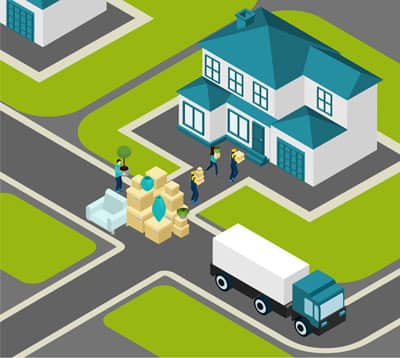
Reach Out To New Movers
People who have recently moved often need to establish new relationships with local businesses and service providers.
A new homeowner may need an HVAC company, landscaper, pest-control provider, water-treatment company, cleaner, veterinarian, dentist, or other local service. New mover advertising gives businesses a way to introduce themselves during that period.
New mover audiences are refreshed regularly. New households enter the campaign as they become available, while older records eventually rotate out so the audience continues to focus on recent movers.
This makes new mover advertising particularly useful for businesses where establishing the customer relationship early can lead to repeat business or long-term customer value.
Geofencing & Location Targeting
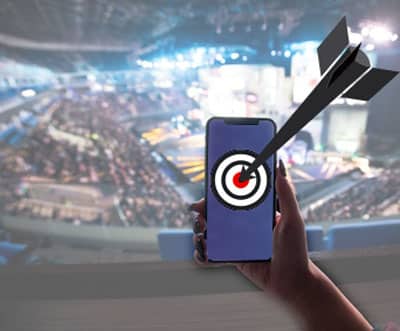
Geofencing and location targeting allow campaigns to focus on people associated with selected geographic areas or physical locations.
Depending on the campaign, this might include trade shows, event venues, commercial areas, campuses, competitor locations, or other places where a relevant audience is likely to be present.
This type of targeting can support event marketing, local advertising, B2B outreach, competitive campaigns, or other situations where location itself helps define the audience.
Geofencing is different from address-based IP targeting. IP targeting generally starts with known household or customer addresses. Geofencing starts with selected geographic locations or boundaries.
Campaign Pricing
Targeted advertising campaigns start at $750.
A typical starting campaign includes approximately 30,000 digital ad impressions per month, along with campaign setup, targeting, standard display ad creative, management, tracking, and reporting.
The appropriate campaign size depends on the audience you want to reach. Before recommending a campaign, we’ll look at the available audience, geographic area, and targeting method to make sure the campaign is large enough to be useful without unnecessarily advertising to the same small audience.
New mover, address-based, and geofencing campaigns may have different audience requirements.
Frequently Asked Questions
What does this advertising service do?
Daley PWS can build digital advertising campaigns around defined audiences rather than relying only on broad demographic or interest targeting.
Depending on the campaign, this may include specific customer or prospect addresses, recent movers, selected geographic areas, or physical locations.
Address-based IP targeting generally begins with known addresses. Geofencing begins with a geographic area or location.
Who can I target through IP Targeting?
IP targeting can be built around legitimate customer, prospect, direct-mail, or other address-based lists.
Send us the address list and we can process it to determine which records are eligible for targeting. The campaign can then be built around the matched audience.
Not every address will necessarily be available for targeting, so audience size should be confirmed before the campaign begins.
What is New Mover Targeting?
New Mover Targeting focuses advertising on households that have recently moved into a defined service area.
The audience is refreshed regularly so newly identified movers can enter the campaign while older records rotate out after the targeting period.
It can be particularly useful for businesses such as:
- HVAC and home services
- Pest control
- Lawn care and landscaping
- Cleaning services
- Water treatment
- Veterinary practices
- Dental practices
- Local financial institutions
- Other businesses where new residents may be choosing a local provider
The strongest opportunities are usually businesses where gaining a customer early can lead to repeat business or long-term customer value.
New mover campaigns should generally be evaluated over a reasonable period rather than judged after only a few weeks.
Where will my ads appear?
Ads are delivered through programmatic advertising inventory and may appear across a wide range of participating websites and digital properties.
Exact placements vary based on available inventory, audience eligibility, campaign settings, and other targeting requirements.
Can I control who sees my ads?
Yes. The primary advantage of this type of advertising is that the campaign can begin with a more clearly defined audience.
Depending on the campaign, that audience might be based on:
- Customer or prospect address lists
- Previous or lapsed customers
- Direct mail recipients
- Recent movers
- Specific service areas
- Selected physical locations
The exact targeting method depends on what you are trying to accomplish.
Does the system use cookies?
Address-based IP targeting does not require someone to visit your website before they can become part of the target audience.
The initial audience can instead be built from eligible address and IP data.
Cookies or other tracking technologies may still be used by websites, analytics platforms, or advertising systems for measurement, reporting, and related purposes.
What sort of reporting can I get?
Campaign reporting can include impressions served, clicks, click-through rate, and other available campaign metrics.
We can also use tagged landing-page links, website analytics, call tracking, or other conversion tracking where appropriate.
For many campaigns, clicks should not be the only measure of success. The more useful question is whether the campaign contributed to meaningful activity such as inquiries, leads, appointments, sales, or customer reactivation.
Where customer data is available, post-campaign match-back analysis may also help evaluate whether targeted households later became customers.
What size ads are used?
Common display ad dimensions include:
- 300×250 pixels
- 728×90 pixels
- 320×50 pixels
- 160×600 pixels
- 300×50 pixels
Using several common ad sizes gives the campaign access to more available advertising inventory.
We’ll recommend the creative sizes needed based on the campaign.
Can you prepare the ads for me?
Yes.
Daley PWS can create the display ads needed for the campaign using your existing branding, offer, and message.
Where practical, the creative can be reused for an extended period rather than requiring constant redesign.
Can I make sure my ads do not appear on specific sites?
Campaigns can use placement controls and exclusions designed to reduce advertising on inappropriate or low-quality websites.
Additional exclusions may also be available depending on the campaign and advertising inventory.
How should I measure success from my targeted advertising campaign?
Success should be measured against what the campaign is intended to accomplish.
Depending on the campaign, useful measurements may include:
- Website visits
- Calls or inquiries
- Form submissions
- Appointments
- Sales
- Customer reactivation
- New customer acquisition
- Post-campaign customer match-back
Clicks and click-through rate can be useful campaign metrics, but they should not be treated as the only indication of whether the advertising is working.
For new mover campaigns in particular, the goal is often to introduce the business while new residents are establishing local provider relationships. That usually requires evaluating the campaign over time rather than expecting every exposure to produce an immediate click or sale.
Do I need to have my logo on my ad?
The advertiser should be clearly identifiable.
This is usually handled through the company logo, business name, or another clear brand element within the ad.
Should I use this service for my entire advertising needs?
Usually not.
IP targeting, geofencing, and new mover advertising work best when there is a specific audience or geographic reason to use them.
They can supplement search advertising, direct mail, customer outreach, local marketing, or other advertising programs.
We’ll tell you if the available audience or campaign structure does not appear strong enough to justify the spend.
Is there a setup fee?
No standard setup fee is charged for qualifying campaigns.
Campaign requirements can vary, so any unusual creative, tracking, data, or production needs would be discussed before the campaign begins.
What if I have more questions?
Use the campaign estimator above or contact us and tell us who you are trying to reach.
We can look at the audience, geographic area, and campaign objective and help determine whether IP targeting, geofencing, new mover advertising, or another approach makes sense.